Type 3 Home Sleep Study
Comprehensive sleep apnea diagnostics — home-based testing with physician interpretation at Ittichai Clinic.
Comprehensive sleep apnea diagnostics — home-based testing with physician interpretation at Ittichai Clinic.
Medical note: If you have complex comorbidities — heart failure, chronic obstructive pulmonary disease (COPD), stroke, neuromuscular disease, severe obesity with possible hypoventilation, or long-term opioid use — a Type 1 (standard in-lab PSG) is recommended. The doctor can refer you to an appropriate hospital sleep laboratory — including when a Type 3 result is inconclusive.
🎁 Tested with us? Buy your CPAP at a special price
Clients whose Type 3 study is interpreted by a physician at Ittichai Clinic get a special discount on the ResMed AirSense 11 (regular ฿59,000 with mask) or Yuwell 680B (regular ฿38,000 with mask).
Obstructive Sleep Apnea (OSA) is far more common than most realise — affecting heart health, blood pressure, weight, focus, and mood. A formal sleep study is the essential first step before any meaningful treatment can begin.
Every step shows who is responsible — medical diagnosis is always made by the clinic's physician.
Take the STOP-Bang questionnaire, then book via LINE or phone. Our team recommends the right test level for you.
SomaAt home — we deliver the device and show you how to set it up; sleep as usual, then return it — or at Ittichai Clinic.
Soma + ClinicA physician at Ittichai Clinic analyses your AHI per AASM criteria, consults with you and issues a medical certificate — in as little as 3 days.
Ittichai ClinicIf CPAP is recommended, start a trial right away (฿25,000 deposit · ฿2,000/week), with our team supporting set-up and follow-up.
SomaEvery Type 3 study is interpreted and certified by physicians at Ittichai Clinic, a licensed medical clinic in Bangkok — test at home, or book in-clinic testing and doctor visits.
A licensed medical clinic offering sleep studies, wellness check-ups and plastic surgery. The clinic's physicians interpret sleep studies and issue medical certificates for Soma clients.
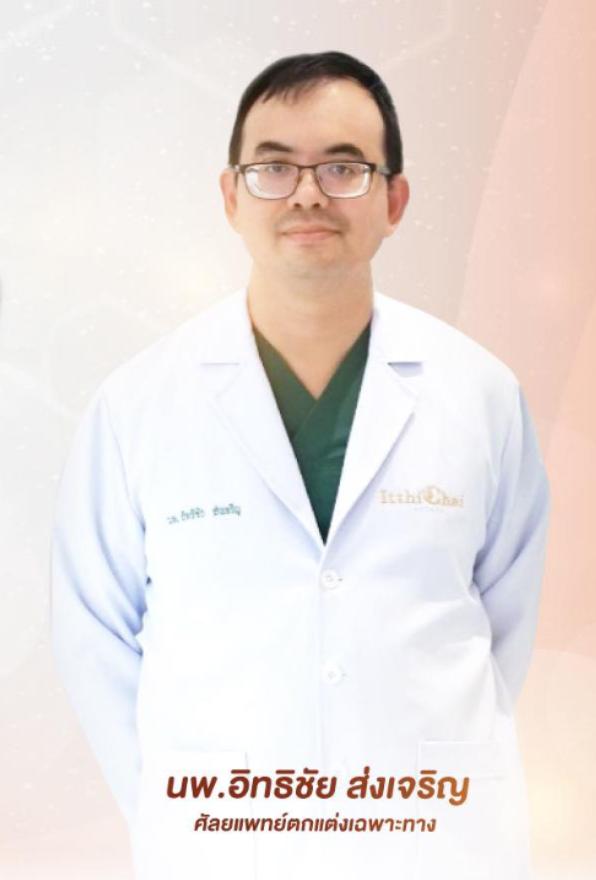
Plastic Surgeon · Faculty of Medicine Ramathibodi Hospital, Mahidol University
Practises preventive medicine, sleep testing and plastic surgery at Ittichai Clinic.
฿2,900. This includes interpretation and a consultation with a physician at Ittichai Clinic and a medical certificate. If the doctor recommends CPAP, a trial can start right away: ฿25,000 deposit and ฿2,000 per week, with the final week's fee waived if you buy your CPAP from Soma.
A Type 3 study is a one-night home test that records at least four signals: airflow, breathing effort, blood oxygen, heart rate and body position. The 2025 Thai clinical practice guideline accepts it for diagnosing moderate-to-severe OSA in people without complex comorbidities. A Type 1 study is done overnight in a hospital sleep lab with a technician present and also records brain waves.
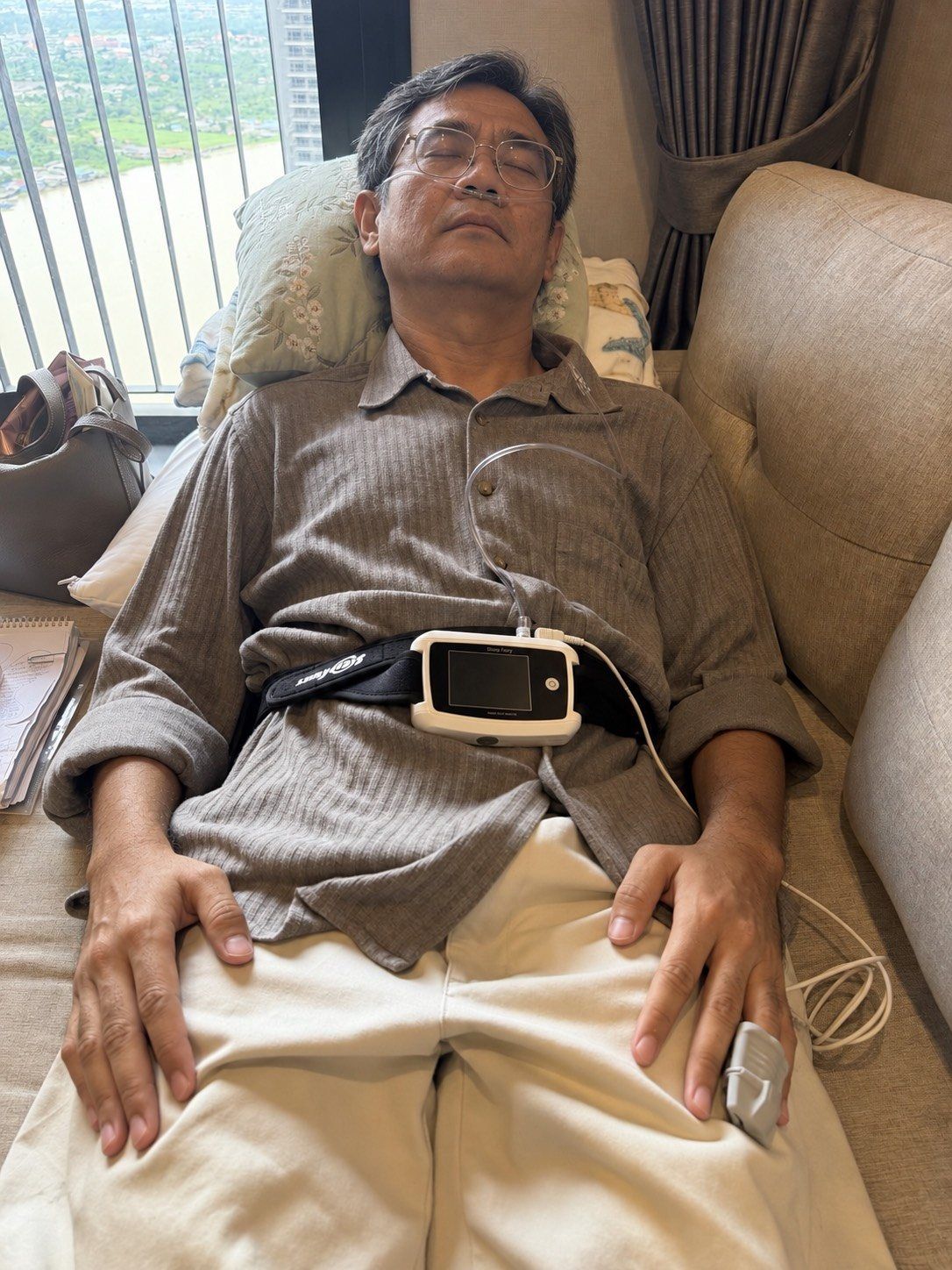
We deliver the device and show you how to set it up (see the demo video on this page). Before bed you put on the chest belt, nasal airflow cannula and finger oximeter, sleep as usual, then remove it in the morning and return it. You can also be tested at Ittichai Clinic.
A physician at Ittichai Clinic, a licensed medical clinic in Bangkok, interprets the recording, calculates your AHI using AASM criteria, consults with you and issues a medical certificate — in as little as 3 days.
It can support a CPAP purchase and health-insurance or reimbursement claims, depending on your policy or coverage terms.
People with heart failure, COPD, stroke, neuromuscular disease, severe obesity with possible hypoventilation, or long-term opioid use should have an in-lab Type 1 study instead. The doctor will advise and refer you.
Yes, it is recommended. Clinical guidelines call for diagnosing OSA and grading its severity before treatment, and the results help the doctor choose the right device and pressure settings.
8 questions, about 1 minute — find out whether a Type 3 sleep study is recommended for you
Snoring louder than normal conversation, or audible through a closed door
For example: drowsy after meals, falling asleep watching TV or in meetings, needing daily naps
e.g., a bed partner, family member, or roommate has mentioned witnessed apnea
Including taking BP medication or having been diagnosed by a physician
BMI above 35 kg/m² is a risk factor (calculated automatically)
Age above 50 is a significant OSA risk factor
Measure at the larynx, or check whether your collar size exceeds 16
Biological sex assigned at birth — a STOP-Bang risk factor
Important: If anyone has ever witnessed you stop breathing or gasp during sleep (witnessed apnea), a Type 3 study with physician evaluation is recommended — regardless of your total STOP-Bang score.
STOP-Bang is a screening tool, not a medical diagnosis. It has high sensitivity (about 88–93%) but lower specificity (about 35–42%), so it should be used together with clinical history, physical examination and other findings.
Under the 2025 guidelines of the Thai Sleep Apnea Society and the Royal College of Otolaryngologists of Thailand, a score of 3 or higher is considered high risk for OSA and a sleep study is recommended — the final diagnosis is made by a physician at Ittichai Clinic.
References: 2025 Thai Clinical Practice Guidelines for the Diagnosis and Treatment of Snoring and Obstructive Sleep Apnea in Adults · STOP-Bang Questionnaire, Chung F. et al. (Anesthesiology, 2008); Thai validation by Banhiran et al. · AASM Scoring Manual
Book a consultation to discuss your sleep study options with the doctor.
Book Now